
7 Essential Questions to Ask Your HVAC Contractor
Jonathan Tobon • August 24, 2026

August 24, 2026

Your heating, ventilation, and air conditioning system is the beating heart of your home’s comfort. When it runs smoothly, you barely notice it. But when it fails during the peak of summer or the dead of winter, finding a reliable professional becomes your top priority. Choosing the right HVAC contractor is crucial to ensuring your system is repaired, maintained, or installed correctly. This is especially true when things go wrong unexpectedly. In fact, According to Industry Research, AC units make up 54% of HVAC service calls. With over half of all service visits dedicated just to air conditioning, you need a team that knows exactly what they are doing. We believe in complete transparency and educating our customers. To help you make the best decision for your home and budget, we have compiled a list of the seven most important questions you must ask before making a hire.


Question 1: Are You Fully Licensed, Bonded, and Insured?

The absolute first requirement for anyone working on your home’s climate control system is proper documentation. Heating and cooling systems involve high-voltage electrical wiring, combustible natural gas, and pressurized chemical refrigerants. This is not a weekend DIY project, nor is it a job for an unlicensed handyman. When you interview an HVAC contractor, ask for their license number and verify it with your local or state licensing board. A valid license proves that the technician has undergone the rigorous training and testing required to meet safety and building codes.


Equally important is insurance. A reputable company will carry both general liability insurance and workers' compensation. Liability insurance protects your property in case the technician accidentally causes damage to your home during the installation or repair process. Workers' compensation protects you from being held legally and financially responsible if a technician is injured while working on your property. Never take a company’s word for it—ask to see physical proof of their insurance certificates before allowing any work to commence.


Question 2: Can You Provide Local References and Reviews?

A company's track record is one of the strongest indicators of the quality of work you can expect to receive. Any competent professional should be more than happy to provide a list of recent customers you can contact. Speaking directly with past clients allows you to ask candid questions about their experience. Did the technicians arrive on time? Were they respectful of the property? Did the final bill match the initial estimate?


In addition to direct references, check the company's online presence. Look at platforms like Google, Yelp, and the Better Business Bureau. While occasional negative reviews happen, look for recurring patterns in the feedback. Consistently poor communication, messy workspaces, or recurring breakdowns shortly after a repair are massive red flags. We pride ourselves on our stellar reputation within the community and are always thrilled to share our success stories with prospective clients.


Question 3: Do You Provide Written, Itemized Estimates?

Surprises are great for birthdays, but they are terrible when it comes to home repair bills. Before any work begins, you should receive a comprehensive, written estimate. A vague, verbal quote like "it will probably cost around a thousand bucks" is unacceptable. Your written estimate should clearly break down the costs of equipment, materials, and labor. It should also outline any potential permit fees or disposal costs for your old unit.


Having this itemized list protects you from hidden fees and unexpected price hikes once the project is underway. Furthermore, a detailed estimate allows you to make accurate "apples-to-apples" comparisons if you are receiving quotes from more than one HVAC contractor. Beware of bids that are drastically lower than the competition; this often indicates that the company is cutting corners, using inferior replacement parts, or lacking the necessary insurance coverage. Quality workmanship has a fair market value, and investing in a transparent estimate ensures you get what you pay for.


Question 4: Will You Perform a Comprehensive Home Evaluation?

If a technician offers to install a new heating or cooling system over the phone without ever stepping foot inside your house, hang up immediately. Properly sizing an HVAC system is a complex mathematical process. If your unit is too small, it will run constantly, driving up your energy bills and burning out the motor prematurely. If the unit is too large, it will "short cycle," turning on and off rapidly, which fails to remove indoor humidity and leaves your home feeling clammy and uncomfortable.


A true professional will conduct a thorough home evaluation. They will measure your square footage, inspect your existing ductwork for leaks, assess the quality of your home's insulation, and note the number of windows and their directional facing. Only after performing these detailed calculations—often referred to as a Manual J load calculation—can they recommend the correct size and type of equipment for your specific home layout and needs.


Question 5: What Brands and Types of Equipment Do You Install?

While the skill of the installer is arguably the most critical factor in the longevity of your system, the quality of the hardware matters immensely. Ask your prospective professional what brands they carry and why they recommend them. A top-tier HVAC contractor will typically partner with industry-leading manufacturers known for reliability, energy efficiency, and robust warranties.

They should be able to explain the differences between various models, such as single-stage versus variable-speed compressors, and help you understand SEER (Seasonal Energy Efficiency Ratio) ratings. You want a provider who offers a range of options—from budget-friendly standard units to ultra-efficient premium systems—so you can choose the solution that best aligns with your financial and comfort goals. Our team proudly installs high-quality, durable systems designed to withstand extreme weather and deliver years of uninterrupted comfort.


Question 6: Do You Guarantee Your Work and Offer Warranties?

Installing or replacing a furnace, heat pump, or air conditioner is a significant financial investment. You need the peace of mind that comes with knowing your investment is protected. There are typically two types of warranties involved in this industry: the manufacturer's warranty on the equipment itself, and the installer's warranty on the labor. You need to understand the terms of both.


Ask how long the equipment is covered for parts and compressor failures. More importantly, ask the company about their specific labor guarantee. If the system fails a week after installation due to a faulty connection or improper refrigerant charge, will they return to fix it free of charge? How long is this labor guarantee valid? A reputable company stands proudly behind the quality of their craftsmanship and will provide clear, written guarantees protecting you from paying twice for the exact same job.


Question 7: Do You Offer Emergency Services and Maintenance Plans?

Heating and cooling emergencies rarely happen on a convenient schedule. They usually occur on the hottest Sunday of July or in the middle of a freezing winter night. When you establish a relationship with an HVAC contractor, you want to ensure they will be there for you when you need them most. Ask if they offer prompt emergency repair services outside of regular business hours.


Additionally, inquire about preventative maintenance plans. The best way to avoid costly emergency repairs is through regular, scheduled tune-ups. A comprehensive maintenance agreement usually includes bi-annual visits to clean coils, check refrigerant levels, inspect electrical connections, and change filters. These plans not only extend the lifespan of your equipment but often come with perks like priority scheduling and discounts on replacement parts. Partnering with a company that values long-term maintenance shows they are committed to your ongoing comfort, not just making a one-time sale.


Your home’s comfort systems are too important—and too expensive—to leave in the hands of just anyone. By asking these seven essential questions, you can weed out the inexperienced or untrustworthy operators and find a dedicated professional who will treat your home with respect. Remember to verify licenses, demand written estimates, and insist on thorough home evaluations before signing any contracts.


We believe that an informed customer is our best customer. Our team of certified technicians is fully licensed, deeply experienced, and committed to providing transparent, top-tier service to our community. If you are looking for a dependable HVAC contractor to keep your home perfectly comfortable all year round, look no further. Contact JT Heating & Air today to schedule your consultation, request an estimate, or learn more about our comprehensive maintenance programs. 
HVAC services
July 31, 2026
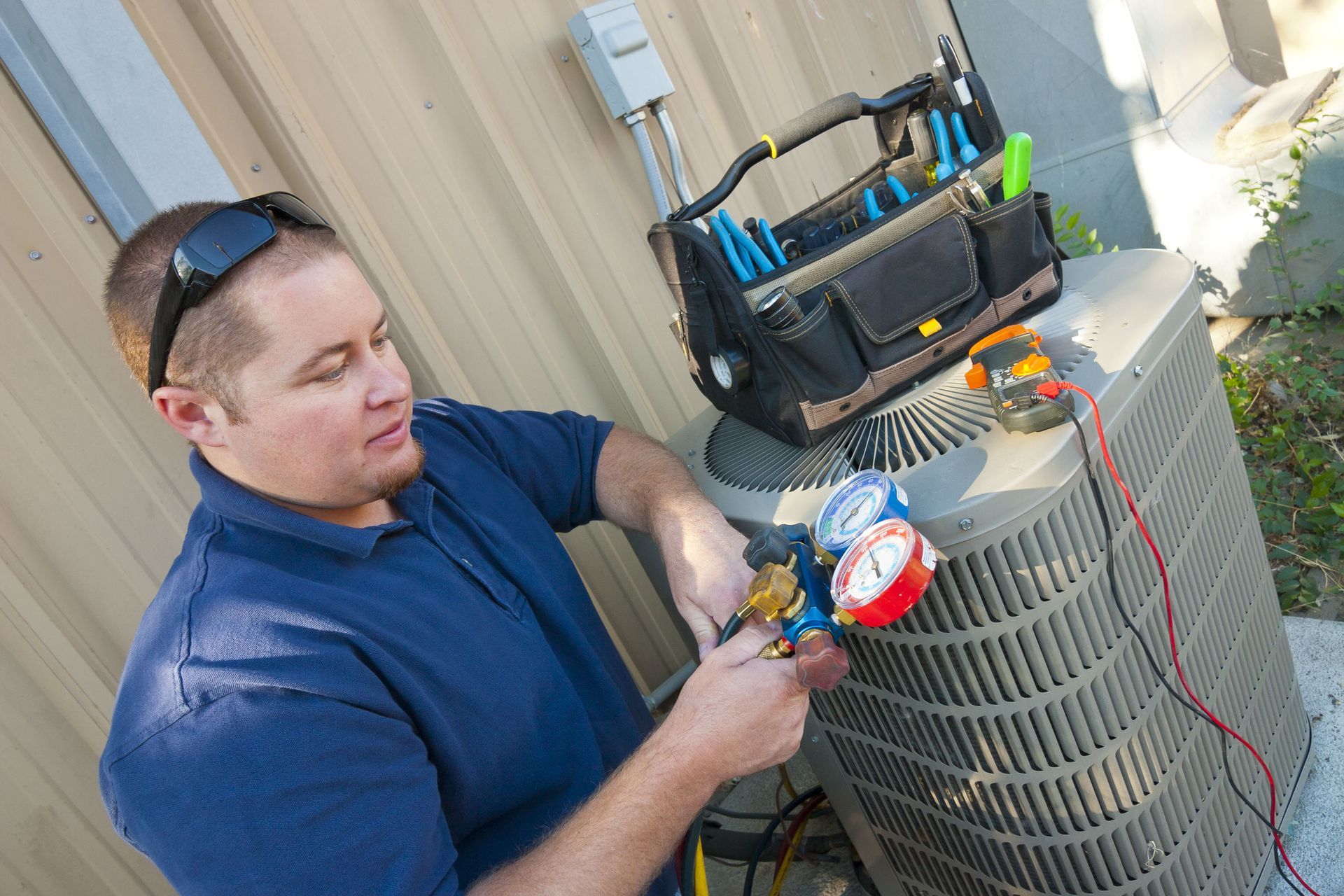
Keep your home comfortable year-round with professional HVAC services. Learn how routine maintenance improves efficiency, reliability, and system lifespan.
By 7115996179 July 30, 2026
Why Investing in a High-Efficiency Air Purifier Is One of the Best Upgrades for Your Home's Air Quality The air inside your home can contain dust, pollen, pet dander, mold spores, odors, and other airborne contaminants that impact your comfort and health. While your HVAC system's filter helps capture some particles, a high-efficiency air purifier provides an additional layer of protection by actively removing pollutants from the air you breathe. At JT Heating & Air, we believe that clean indoor air is just as important as comfortable indoor temperatures. A professionally installed air purification system can help create a healthier living environment while supporting your HVAC system's overall performance. What Is a High-Efficiency Air Purifier? A high-efficiency air purifier is designed to capture and remove airborne contaminants before they circulate throughout your home. Many advanced systems utilize HEPA filtration, high-MERV filters, activated carbon technology, and smart monitoring features to improve indoor air quality. Whether you suffer from allergies, have pets, or simply want cleaner air for your family, a high-efficiency air purification system can make a noticeable difference. 1. Superior HEPA Filtration Removes Airborne Particles One of the biggest advantages of high-efficiency air purifiers is their ability to capture extremely small airborne particles. HEPA (High-Efficiency Particulate Air) filters are capable of trapping up to 99.97% of particles as small as 0.3 microns. This includes many common indoor pollutants that can negatively impact air quality and respiratory health. Common Particles Captured by HEPA Filtration: Dust and dust mites Pollen Pet dander Mold spores Smoke particles Other airborne allergens By continuously filtering these contaminants, air purifiers help create a cleaner, healthier indoor environment. 2. High MERV Ratings Provide Enhanced Protection Many high-performance air purification systems feature filters with MERV (Minimum Efficiency Reporting Value) ratings between 13 and 16. Higher MERV ratings indicate a filter's ability to capture smaller airborne particles that standard HVAC filters may miss. This added layer of filtration helps improve overall indoor air quality and reduce circulating contaminants. Benefits of High-MERV Filtration: Improved particle capture Better air circulation quality Enhanced HVAC system protection Reduced airborne debris throughout the home 3. Significant Reduction of Allergens For homeowners who experience seasonal allergies, asthma, or other respiratory sensitivities, indoor air quality can have a major impact on daily comfort. High-efficiency air purifiers effectively reduce common allergens, including: Pollen Pet dander Dust mites Mold spores Airborne irritants Reducing these allergens can help create a more comfortable living environment and may minimize irritation caused by poor indoor air quality. 4. Elimination of Unpleasant Odors Many advanced air purification systems include activated carbon filters that absorb odor-causing particles throughout your home. These filters can help remove odors from: Pets Cooking Tobacco smoke Household chemicals Everyday household activities Instead of masking odors with sprays or fragrances, air purifiers help eliminate them at the source. 5. Quiet Operation for Everyday Comfort Modern air purification systems are designed to operate efficiently without creating excessive noise. Many homeowners are surprised by how quietly today's high-efficiency air purifiers perform, making them ideal for: Bedrooms Living rooms Home offices Nurseries Quiet operation allows you to enjoy cleaner air without disrupting your daily routine. 6. Energy-Efficient Performance Improving indoor air quality doesn't have to increase your utility bills. Many high-efficiency air purifiers are ENERGY STAR® certified, meaning they deliver exceptional filtration while using less energy than standard models. Benefits include: Lower energy consumption Reduced operating costs Environmentally friendly performance Continuous air quality improvement 7. Smart Technology Enhances Convenience Today's advanced air purification systems often include innovative smart features that make maintaining healthy indoor air easier than ever. Depending on the model, features may include: Real-time air quality monitoring Smartphone app controls Automated scheduling Filter replacement reminders Automatic fan speed adjustments These technologies help ensure optimal performance while giving homeowners greater control over their indoor air quality. 8. Easy Maintenance Protects Performance Like any HVAC accessory, air purifiers require routine maintenance to operate at peak efficiency. Fortunately, many modern systems include filter-monitoring technology that alerts homeowners when it's time for replacement. Regular maintenance helps ensure: Maximum filtration efficiency Consistent airflow Optimal air quality Long-term reliability A professional HVAC technician can also inspect and maintain your system as part of your regular service plan. 9. Ideal for Homes, Offices, and Commercial Spaces High-efficiency air purifiers are incredibly versatile and can improve air quality in virtually any indoor environment. They are commonly installed in: Residential homes Apartments Offices Medical facilities Retail locations Educational buildings No matter the setting, cleaner indoor air contributes to improved comfort and a healthier environment. Why Indoor Air Quality Matters Most people spend the majority of their time indoors. Because of this, maintaining clean air inside your home is essential for overall comfort and well-being. Poor indoor air quality can contribute to: Allergy symptoms Respiratory irritation Unpleasant odors Dust accumulation Reduced comfort levels Investing in a high-efficiency air purification system helps create a cleaner space where you and your family can breathe easier every day. Trust JT Heating & Air for Indoor Air Quality Solutions At JT Heating & Air, we understand that comfort goes beyond temperature control. That's why we offer indoor air quality solutions designed to help homeowners enjoy cleaner, healthier air year-round. Whether you're looking to reduce allergens, eliminate odors, improve filtration, or upgrade your home's air quality system, our experienced team can recommend the right solution for your needs. Ready to improve your home's indoor air quality? Contact JT Heating & Air today to learn more about professional air purifier installation and indoor air quality services.
By 7115996179 July 30, 2026
Why Chemical Cleaning an HVAC Condensing Unit Is So Important? Your outdoor condensing unit is one of the most important components of your HVAC system. Day after day, it is exposed to dirt, pollen, grass clippings, leaves, moisture, and other environmental contaminants. Over time, this buildup can restrict airflow, reduce efficiency, and force your system to work harder than necessary. While routine maintenance is important, a professional chemical cleaning goes beyond a standard rinse and can help restore your system's performance, improve energy efficiency, and extend equipment life. At JT Heating & Air, we believe preventative maintenance is one of the smartest investments homeowners can make to protect their comfort and avoid costly repairs. What Is a Chemical Cleaning for a Condensing Unit? A chemical cleaning involves applying specialized HVAC-safe cleaning solutions to the condenser coils and other critical components of the outdoor unit. These cleaners break down stubborn dirt, grease, mold, and debris that ordinary water cannot fully remove. Once the buildup is eliminated, the unit can transfer heat more effectively, helping your air conditioner operate at peak performance. 1. Improved Energy Efficiency Dirty condenser coils create a barrier that prevents your HVAC system from releasing heat properly. As a result, your air conditioner must run longer and work harder to achieve the desired temperature. A professional chemical cleaning removes this buildup and restores proper airflow, allowing the system to operate more efficiently. Increased efficiency often translates into lower monthly energy costs and reduced strain on your equipment. Benefits of Chemical Cleaning a Condensing Unit Include: Lower utility bills Reduced energy consumption Less stress on system components More consistent cooling throughout your home 2. Extended HVAC System Lifespan Your HVAC system is a significant investment. Like any mechanical equipment, its longevity depends on proper care and maintenance. When condenser coils become coated with dirt and debris, components are forced to work harder than designed. This additional strain accelerates wear and tear on motors, compressors, and electrical components. Regular chemical cleanings help protect your system by reducing unnecessary workload, potentially adding years to the life of your equipment. 3. Enhanced Cooling Performance If your home feels warmer than usual or your air conditioner seems to run continuously during summer, dirty condenser coils could be part of the problem. Clean coils allow heat to dissipate efficiently, enabling the system to cool your home faster and maintain comfortable indoor temperatures. Homeowners often notice: Faster cooling cycles Improved comfort Better temperature consistency Increased system responsiveness 4. Reduced Risk of Costly Breakdowns One of the most common causes of HVAC performance issues is excessive buildup on the outdoor unit. When airflow becomes restricted, critical components—especially the compressor—must work harder to compensate. Since compressor replacement can be one of the most expensive HVAC repairs, preventative maintenance is often far less costly than emergency repairs. Chemical cleaning helps reduce the risk of: Overheating components Compressor stress System shutdowns Unexpected repair expenses 5. Prevention of Corrosion and Rust Outdoor HVAC units are constantly exposed to rain, humidity, and environmental pollutants. Over time, contaminants can contribute to corrosion on metal components. Professional-grade cleaning solutions help remove corrosive materials and buildup before they cause significant damage. Protecting these vital components helps preserve the integrity of your condensing unit and can prevent premature system failure. 6. Optimal Refrigerant Performance The condenser coil plays a critical role in the refrigeration process. When the coil is clogged with dirt and debris, heat transfer becomes less effective, making it harder for refrigerant to circulate properly. A clean condenser coil promotes: Better heat exchange Improved refrigerant flow More efficient cooling cycles Maximum system performance 7. Lower Long-Term Maintenance Costs Some homeowners delay maintenance to save money, but neglecting professional cleaning often leads to higher expenses later. A regularly cleaned condensing unit is less likely to experience major mechanical issues, helping reduce repair frequency and maintenance costs over time. Preventative maintenance is often far more affordable than replacing worn-out components or an entire HVAC system prematurely. 8. Protection of Manufacturer Warranty Coverage Many HVAC manufacturers recommend or require routine maintenance to keep warranty coverage valid. Failing to maintain your system could create complications if a warranty claim becomes necessary. Scheduling regular chemical cleanings and professional inspections helps demonstrate that your equipment has been properly maintained. 9. Increased Home Value A well-maintained HVAC system is an attractive feature for prospective homebuyers. Buyers often appreciate knowing major systems have been professionally serviced and cared for throughout their lifespan. Routine maintenance records can help demonstrate responsible homeownership and may add value when it's time to sell your property. How Often Should a Condensing Unit Be Chemically Cleaned? For most Georgia homeowners, a professional condenser cleaning should be performed annually as part of a comprehensive HVAC maintenance plan. Homes surrounded by trees, high pollen environments, construction activity, or heavy landscaping may benefit from more frequent cleanings. A trained HVAC technician can evaluate your system and recommend an appropriate maintenance schedule based on your home's conditions. Trust JT Heating & Air for Professional HVAC Maintenance At JT Heating & Air, we understand how important reliable cooling is for your family's comfort. Our experienced technicians provide thorough HVAC maintenance, including professional condenser coil cleaning, system inspections, and performance optimization to help keep your equipment running efficiently year-round. Don't wait until a minor issue turns into a major repair. Regular chemical cleaning helps improve efficiency, extend equipment life, reduce energy costs, and keep your HVAC system operating at its best. Ready to schedule professional HVAC maintenance? Contact JT Heating & Air today and let our team help protect your comfort and your investment.
Show More →