September 29, 2026
Maintaining an indoor climate control system requires diligent and proactive planning. Property owners wait until a furnace fails or an air conditioner malfunctions before seeking professional assistance. Waiting for a complete breakdown causes extreme discomfort and expensive repairs. Regular upkeep keeps equipment functioning efficiently throughout distinct weather changes. Preventive care catches minor flaws before they escalate into catastrophic system failures. Homeowners save capital by prioritizing routine inspections over emergency repairs.
Understanding seasonal demands helps residents identify optimal periods for professional attention. Extreme temperatures place immense stress on heating and cooling components, making pre-season preparation vital for reliable operation. Proper timing guarantees technicians have availability before peak demand causes massive wait times. Arranging specialized HVAC services during shoulder seasons provides peace of mind. A well-maintained climate control system enhances indoor air quality, reduces energy waste, and extends equipment lifespan.
Scheduling Inspections Before Spring Arrives
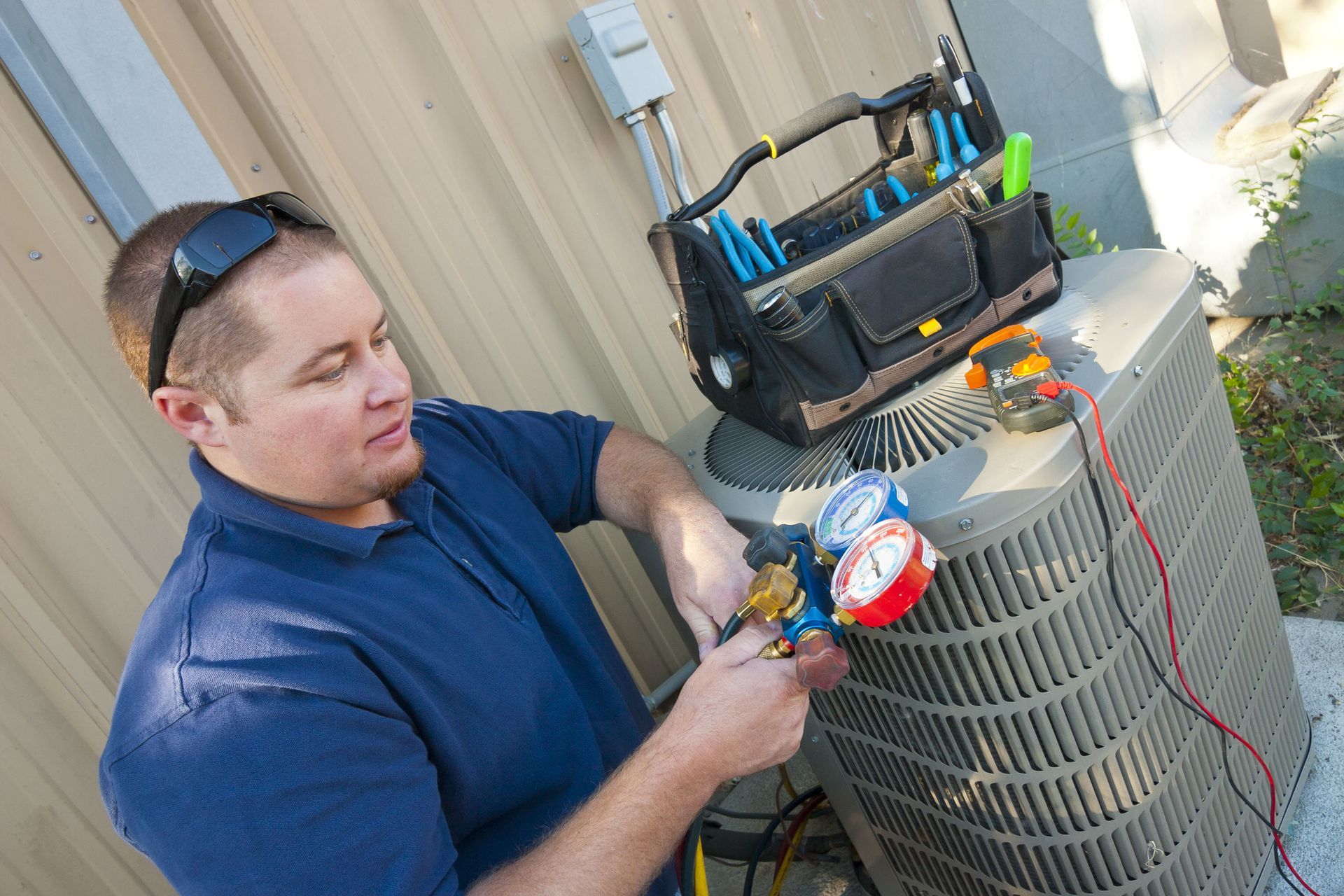
Spring marks a pivotal transition period for residential climate control. As freezing temperatures recede, cooling equipment emerges from hibernation. Activating an air conditioner without prior evaluation risks sudden breakdowns during early heat waves. Technicians use this moderate weather phase to clean coils, clear drain lines, and check refrigerant levels. Catching minor wear and tear during spring prevents major disruptions when scorching temperatures become a daily reality.
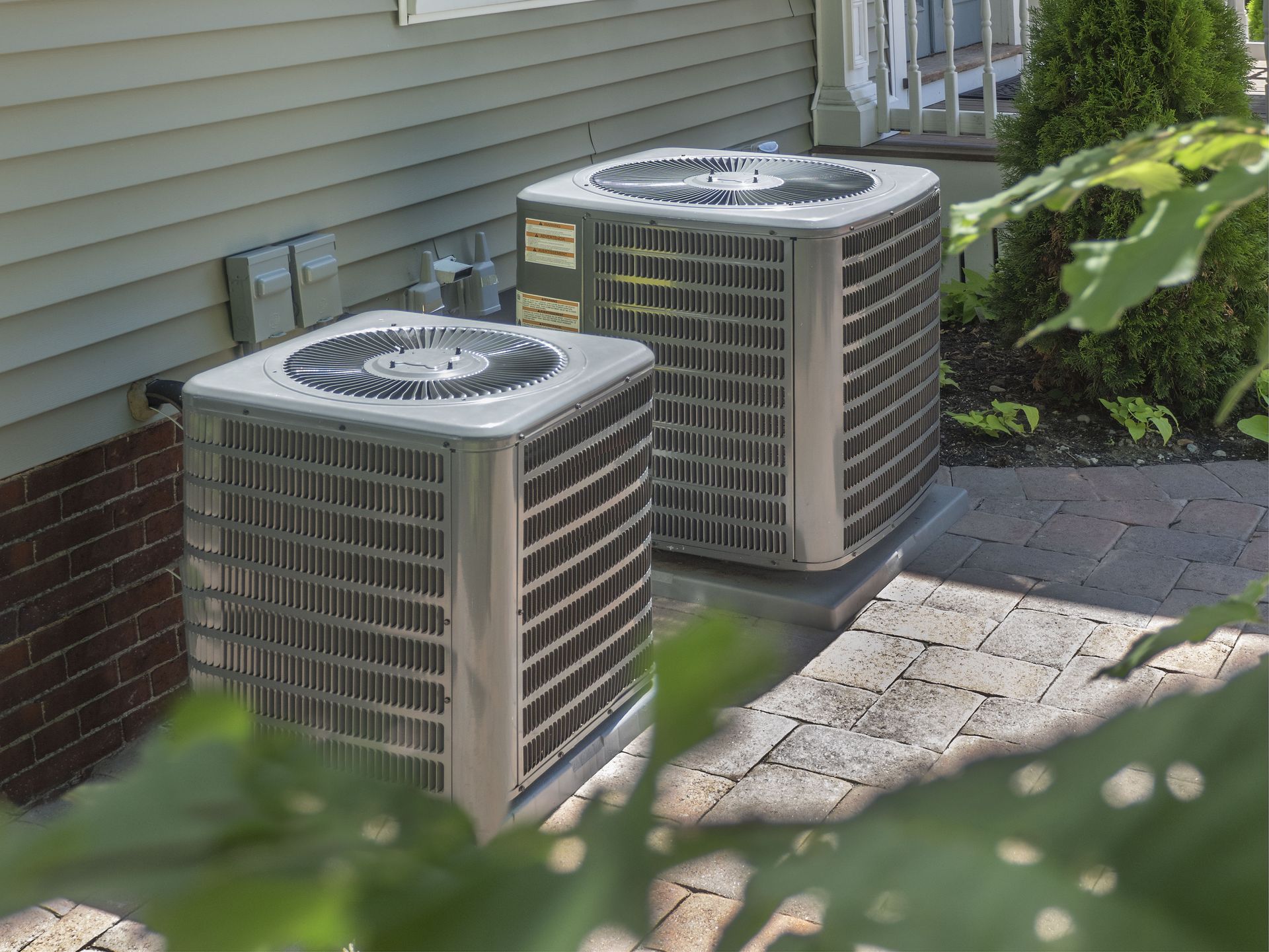
Foliage and pollen dominate the spring landscape, posing immense challenges for outdoor compressor units. Debris accumulates around delicate fins, restricting vital airflow. Professionals remove organic matter, restoring optimal ventilation and preventing overheating. Inside the residence, changing air filters becomes critical for maintaining healthy indoor air quality. According to the U.S. Department of Energy, replacing a soiled HVAC filter can decrease an air conditioner's energy consumption by 5% to 15%.
During spring, repair companies experience moderate call volumes compared to peak summer periods. This availability allows property owners flexible scheduling options for comprehensive HVAC services. Technicians dedicate ample time to thorough inspections without rushing to subsequent emergency calls. Homeowners benefit from unhurried assessments, ensuring every component receives proper scrutiny. Establishing a baseline of optimal performance sets the stage for reliable operation throughout the upcoming hotter months.
Addressing spring maintenance involves comprehensive ductwork evaluation. Rodents and insects seek refuge in ventilation systems during cold weather, leaving behind contaminants. Professionals inspect these pathways for breaches, ensuring conditioned air reaches intended spaces without leaking into attics or basements. Sealing compromised ducts improves overall efficiency and prevents allergens from circulating throughout living areas. Springtime attention guarantees a clean, efficient cooling system ready for elevated outdoor temperatures.
Arranging Maintenance Before Summer Intensifies
Summer introduces relentless heat, pushing cooling machinery to physical limits. The constant demand for chilled air forces motors, fans, and compressors to operate in continuous cycles. Operating under such intense strain exposes underlying weaknesses within neglected systems. When a component fails during a severe heatwave, indoor spaces transform into stifling environments. Pre-summer preparation eliminates these risks, reinforcing equipment resilience against relentless sunshine and soaring humidity.
Refrigerant levels require precise calibration for optimal cooling performance. Leaks reduce cooling capacity and force the compressor to work harder, accelerating mechanical fatigue. Technicians measure these internal pressures, adding necessary fluids and sealing microscopic leaks. In addition, electrical connections tend to loosen due to vibration. Professionals tighten these contact points, preventing electrical shorts and subsequent power failures. Such diligence ensures the machinery handles heavy workloads without faltering.
Investing in timely HVAC services prevents disastrous mid-season failures. Emergency repairs during peak heat command premium prices and extended delays. Repair fleets face overwhelming backlogs when extreme weather strikes, leaving unprepared households sweltering for days. Scheduling preventive care before the heat peaks secures priority status. Technicians resolve underlying issues, granting occupants consistent comfort while neighbors endure frustrating wait times for urgent mechanical rescues.
Moisture management remains a critical function of summer air conditioning. Cooling units extract humidity from indoor air, channeling condensation through specialized drainage tubes. Algae and mold thrive in these damp environments, creating stubborn blockages. Clogged drains cause water backups, damaging ceilings, walls, and floors. Preventative clearing of these lines removes biological growth. This straightforward procedure protects structural integrity and prevents expensive water damage mitigation.
Planning Tune-Ups Before Autumn Approaches
Autumn provides a brief respite from extreme weather, creating an ideal window for system transitions. As cooling demands decrease, heating systems prepare to take over climate control duties. Furnaces and heat pumps sit dormant for months, accumulating dust and losing lubrication. Activating neglected heating equipment emits burning odors and risks sudden combustion failures. Autumn inspections ensure these dormant mechanisms awaken with ease and operate safely.
Safety remains paramount when dealing with combustion-based heating equipment. Gas furnaces require meticulous attention to prevent hazardous carbon monoxide leaks. Professionals examine heat exchangers for microscopic cracks that might release lethal gases into living spaces. Burner assemblies need thorough cleaning to guarantee efficient fuel consumption and stable flames. These crucial autumn checks protect human life, making pre-winter maintenance a requirement for property managers.
Heat pumps require a different mode of attention during autumn. These versatile machines reverse operations to extract ambient warmth from chilly outside air. Technicians calibrate defrost controls and inspect reversing valves to guarantee seamless transitions between cooling and heating cycles. Procuring expert HVAC services ensures every mechanical shift happens without operational hiccups. A properly calibrated heat pump delivers economical warmth without resorting to expensive auxiliary heating coils.
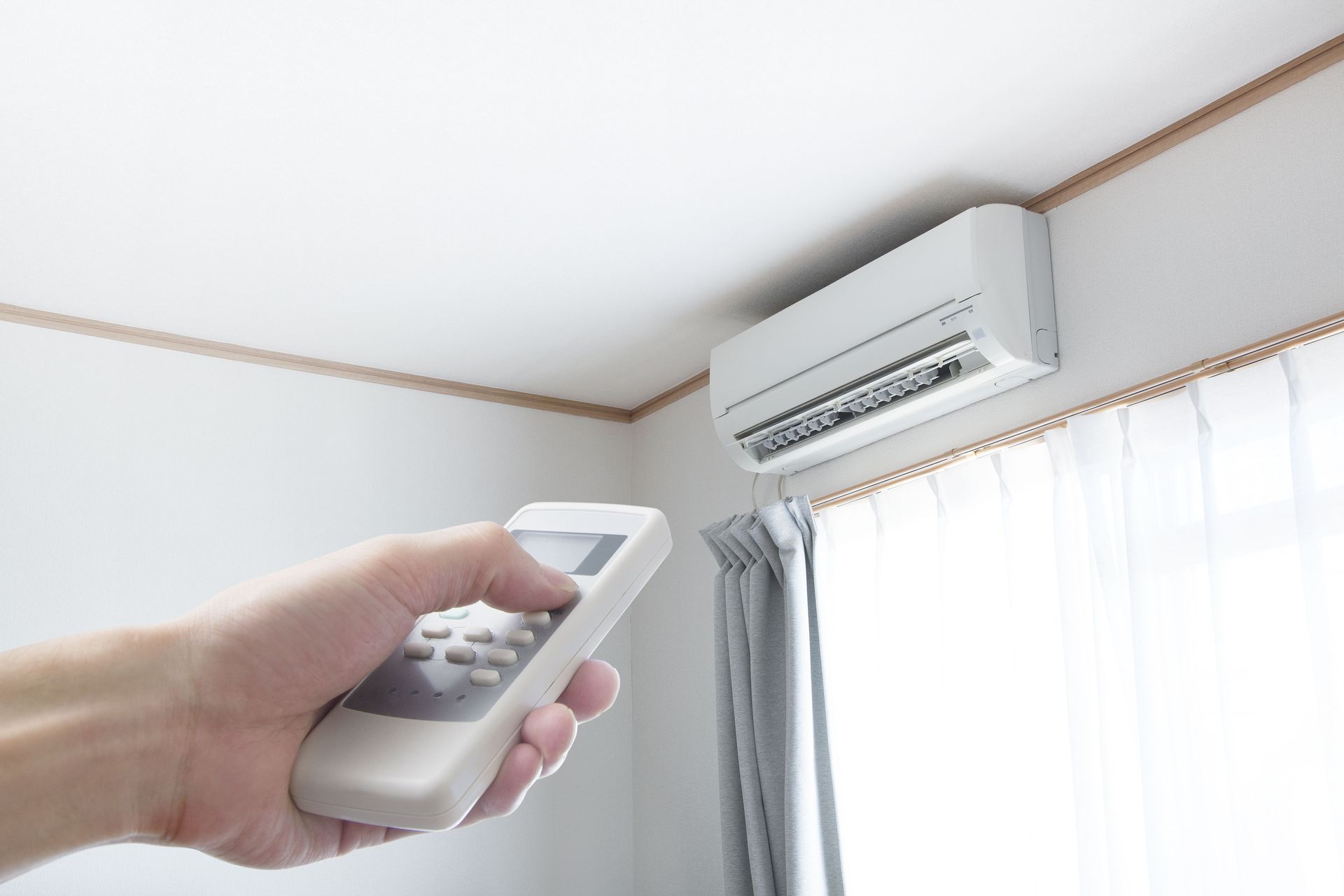
The autumn window offers an opportunity to upgrade outdated thermostats. Modern climate controls optimize energy usage by adapting to household schedules. Technicians configure these devices to lower temperatures during vacant periods, conserving valuable fuel. Programming smart thermostats reduces utility expenses while maintaining consistent comfort levels. Taking advantage of mild autumn weather to modernize controls pays dividends throughout the ensuing cold weather periods.
Securing Evaluations Before Winter Arrives
Winter brings freezing precipitation and biting winds, elevating the importance of reliable indoor heating. A malfunctioning furnace poses severe risks, from frozen pipes to dangerous hypothermia. Preparing equipment for frigid conditions demands meticulous scrutiny of every moving part. Technicians verify blower motor functionality, ensuring heated air flows with force through the ventilation network. Robust airflow guarantees uniform temperature distribution across all rooms, eliminating uncomfortable cold spots.
Ignition systems face immense pressure to perform without error during freezing weather. Faulty igniters or degraded pilot lights cause intermittent heating failures. Professionals test these components, replacing worn sensors and cleaning electrical contacts. Reliable ignition prevents frustrating mornings spent in freezing residences. In addition, inspecting venting systems ensures exhaust gases exit the structure, preventing the accumulation of hazardous byproducts. Proper venting safeguards air quality despite tightly sealed windows.
Drafty homes force heating equipment into continuous operation, accelerating mechanical wear. Technicians identify insulation gaps or duct leaks that compromise heating efficiency. Repairing these breaches maximizes the impact of produced warmth. Utilizing quality HVAC services guarantees the system generates sufficient heat while minimizing wasted energy. Optimal efficiency keeps utility bills manageable, even when temperatures plummet below freezing.
Winter maintenance involves evaluating humidifier integration. Cold air holds less moisture, leading to dry skin, irritated airways, and warped wooden furniture. Integrated humidifiers introduce necessary water vapor into the heated air stream. Professionals clean humidifier pads and check water supply lines, ensuring optimal moisture delivery. Balanced humidity levels make cooler air feel warmer, allowing residents to lower thermostat settings while remaining in total comfort.
Prioritizing seasonal care transforms climate systems from liabilities into reliable assets. Consistent attention maximizes energy efficiency, safeguards human health, and preserves the lifespan of costly mechanical components. Scheduling routine HVAC services at optimal times eliminates the stress of unexpected breakdowns. Property owners who embrace preventive care enjoy consistent comfort, lower operational expenses, and profound peace of mind regardless of external weather conditions. Contact our team at JT Heating & Air to schedule your next seasonal inspection. We provide thorough HVAC services to keep your home comfortable throughout every season.