Air conditioning has become a standard feature in homes across the country, especially during long stretches of summer heat. In fact, according to Forbes, around 90% of American homes use air conditioning. With such widespread use, regular upkeep is one of the best ways to keep cooling systems running efficiently and avoid unexpected breakdowns during the hottest months of the year.
Many homeowners wait until something goes wrong before scheduling professional maintenance or repairs. Unfortunately, neglecting small issues often leads to higher energy bills, poor indoor comfort, and expensive system failures. By following a few smart maintenance habits and working with reliable providers of AC services, you can improve performance, extend equipment lifespan, and maintain better indoor air quality throughout the year.
1. Replace Air Filters Regularly
One of the simplest yet most important maintenance tasks is replacing air filters on a consistent schedule. Dirty air filters restrict airflow, forcing the system to work harder to cool the home. This added strain can increase energy consumption and contribute to unnecessary wear on important components.
Most HVAC professionals recommend checking filters every month and replacing them every one to three months, depending on usage, household size, and indoor conditions. Homes with pets, smokers, or allergy sufferers may require more frequent filter changes because airborne particles build up faster.
Clean filters also improve indoor air quality by trapping dust, pollen, and other contaminants before they circulate through the home. When airflow remains unrestricted, the system can cool rooms more evenly while reducing stress on the blower motor and other parts. Staying consistent with this small maintenance task can significantly improve overall efficiency and help reduce the need for emergency AC services later on.
2. Keep the Outdoor Unit Clean
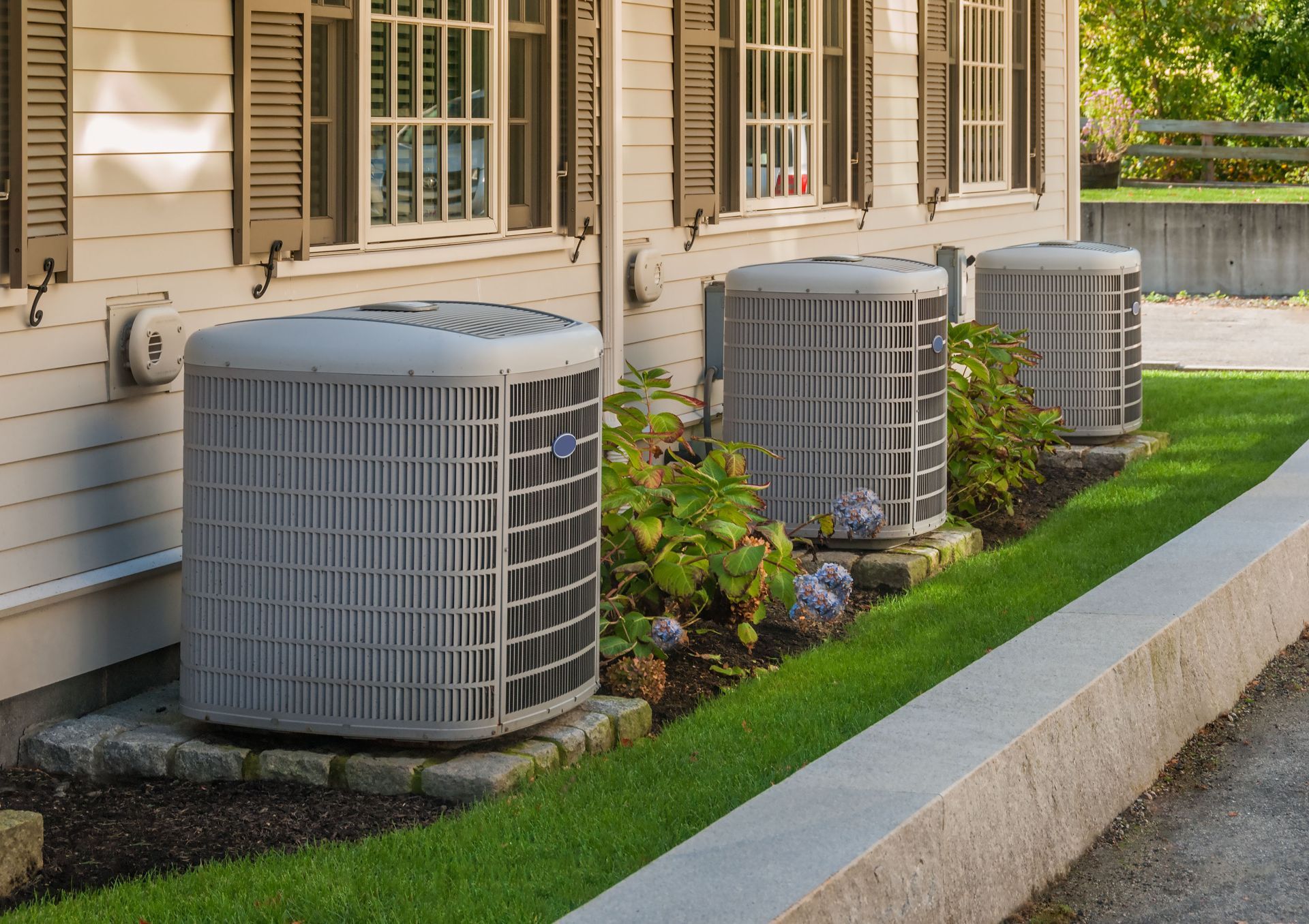
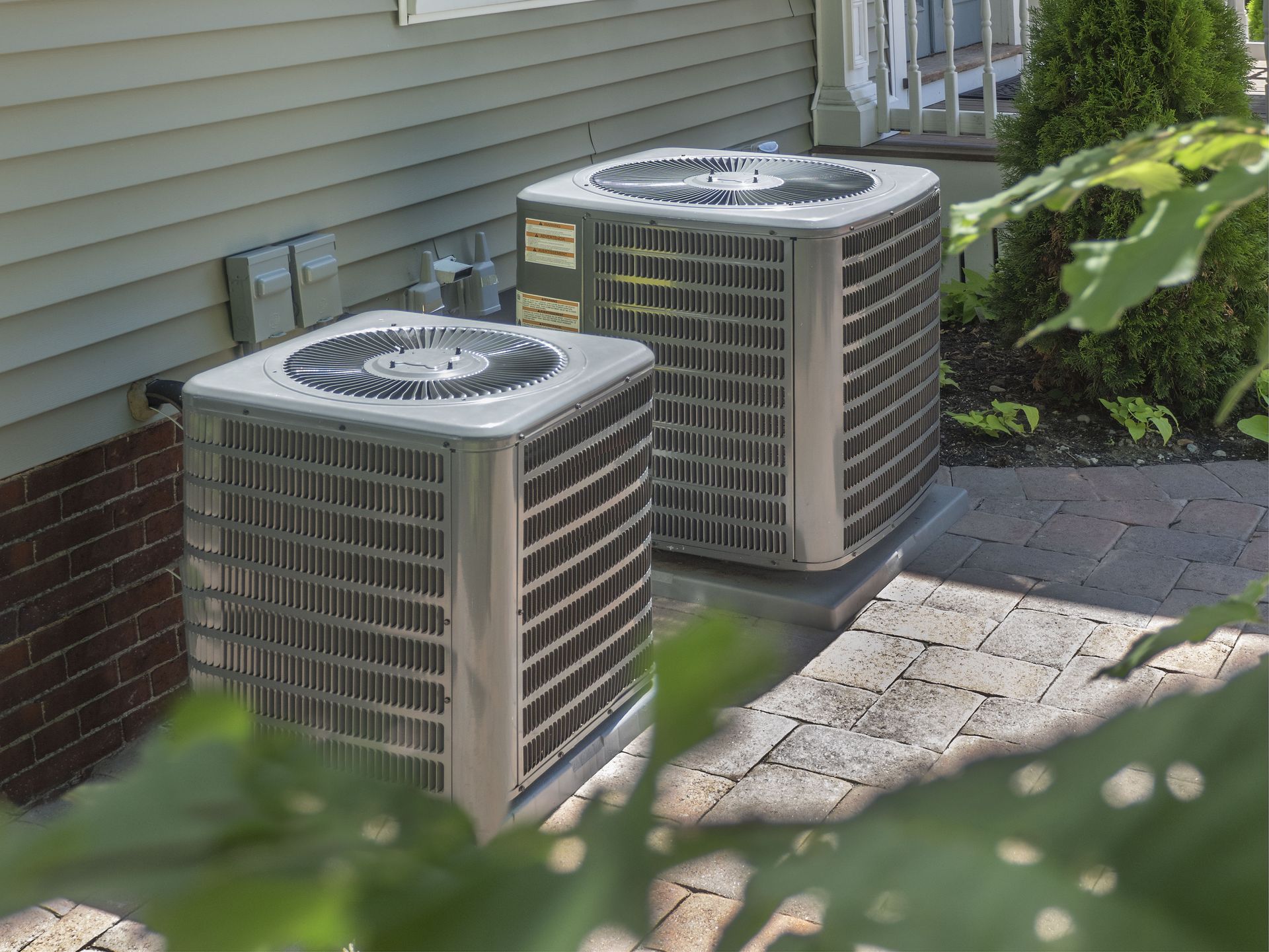
The outdoor condenser unit plays a major role in releasing heat from the home. When dirt, leaves, grass clippings, or debris collect around the unit, airflow becomes restricted, and cooling performance may decline.
You should routinely inspect the outdoor unit and remove any vegetation or debris surrounding it. Shrubs, weeds, and plants should be trimmed back at least two feet to allow proper airflow. It's also helpful to gently rinse the exterior coils with a garden hose to remove dirt buildup. However, pressure washers should be avoided because they can damage delicate fins.
Keeping the area around the condenser clean allows the system to operate more efficiently and reduces strain during periods of heavy use. A clean unit often cools faster, consumes less energy, and experiences fewer operational problems over time.
3. Schedule Professional Maintenance Annually
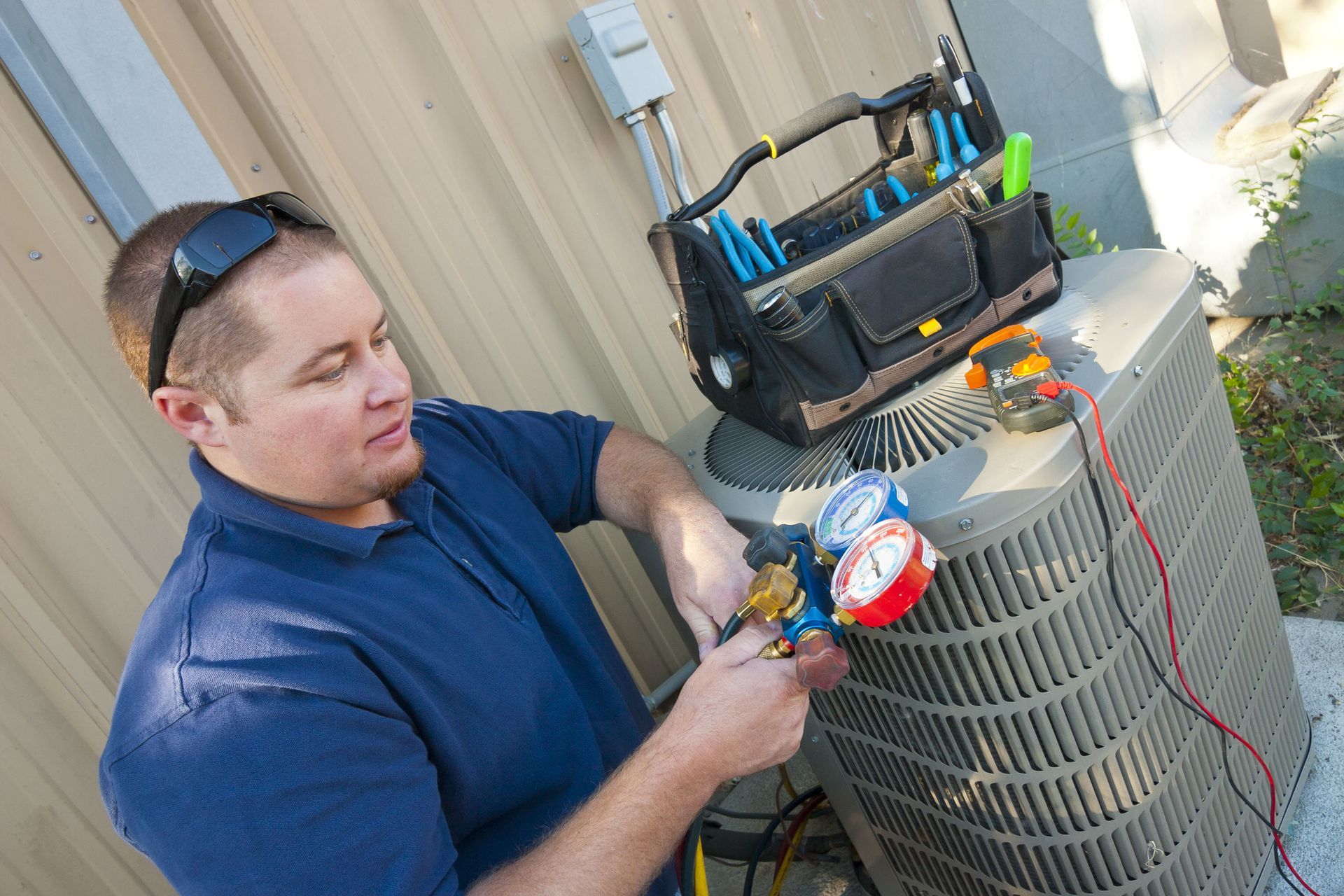
Even if an air conditioning system appears to be functioning properly, annual inspections remain an essential part of responsible home maintenance. Professional technicians can identify hidden problems before they become serious repairs.
During a maintenance visit, HVAC professionals typically inspect electrical connections, test refrigerant levels, clean internal components, check thermostat calibration, and evaluate overall system performance. These inspections help catch worn parts, airflow issues, or developing mechanical problems early.
Routine tune-ups can also improve system efficiency and reduce monthly utility costs. When equipment operates under optimal conditions, homeowners may experience fewer temperature inconsistencies and less wear on important components. Professional AC services often save you money in the long run by preventing costly breakdowns and extending the lifespan of the system.
4. Pay Attention to Strange Noises or Odors
Air conditioning systems often provide warning signs when something is wrong. Ignoring unusual noises or odors can allow small issues to escalate into major repairs.
Grinding, squealing, rattling, or banging sounds may indicate loose parts, motor problems, or worn components. Likewise, musty odors could point to mold or mildew growth within the system, while burning smells may signal electrical issues that require immediate attention.
You should avoid assuming these warning signs will disappear on their own. Prompt inspections can prevent additional damage and restore proper performance before the problem worsens. Addressing unusual symptoms early often leads to faster, less expensive repairs and helps protect the long-term health of the system.
5. Check and Seal Air Leaks
Many homeowners focus solely on the air conditioner itself while overlooking air leaks throughout the home. Gaps around windows, doors, ductwork, and insulation can force cooling systems to work harder than necessary.
When cooled air escapes through leaks, the AC system must run longer cycles to maintain comfortable indoor temperatures. This not only increases utility bills but also adds unnecessary strain to the equipment.
Inspecting common leak areas and sealing gaps with weatherstripping or caulk can improve overall energy efficiency. Duct sealing may also help reduce energy loss in homes with aging HVAC systems. Combined with regular AC services, sealing leaks allows you to maximize cooling performance while lowering energy consumption.
6. Keep Vents and Registers Unblocked
Blocked vents and registers can disrupt airflow and create uneven cooling throughout the home. Furniture, rugs, curtains, or storage items placed over vents prevent conditioned air from circulating properly.
Restricted airflow may cause some rooms to feel warmer than others while placing additional strain on the HVAC system. Over time, poor airflow can contribute to frozen evaporator coils, reduced efficiency, and increased wear on components.
You should routinely inspect vents throughout the house and remove anything that may obstruct airflow. Dusting vents and registers can also help maintain cleaner indoor air and improve circulation. Keeping airflow consistent throughout the home supports better comfort and helps the system operate more efficiently.
7. Use a Programmable or Smart Thermostat
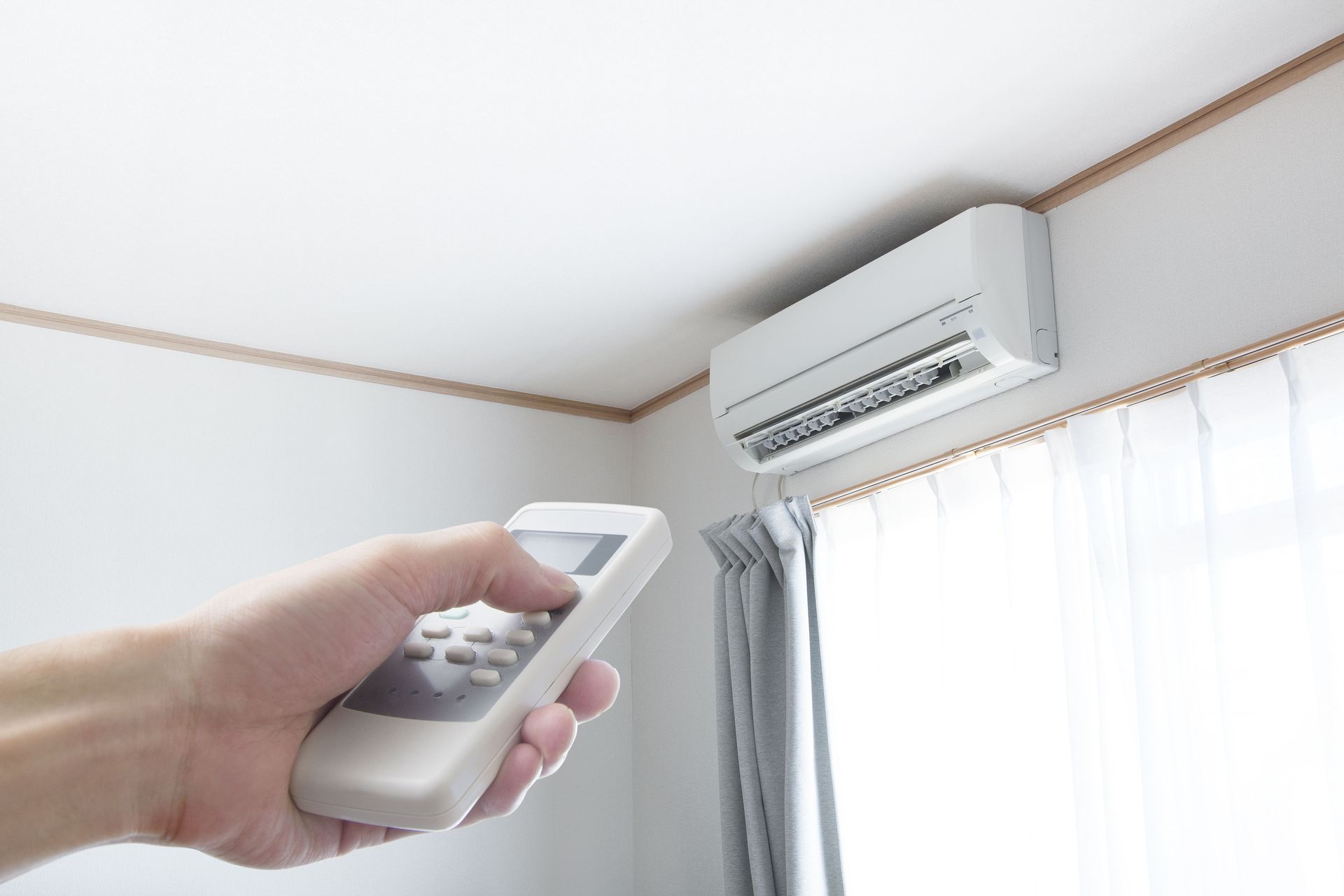
Thermostat settings play a major role in the performance and energy efficiency of an air conditioning system. Installing a programmable or smart thermostat can help homeowners better manage cooling schedules while reducing unnecessary energy use.
Programmable thermostats allow users to adjust temperatures automatically based on daily routines. For example, the temperature can increase slightly during work hours and cool down before occupants return home. Smart thermostats take this convenience even further by learning household patterns and allowing remote adjustments through mobile devices.
Reducing unnecessary system operation helps lower utility costs and minimizes wear on HVAC equipment. Consistent temperature management can also improve indoor comfort and reduce the frequency of repair calls. Many companies offering AC services recommend smart thermostats as a practical upgrade for homeowners looking to improve energy efficiency.
8. Monitor Energy Bills for Sudden Changes
A sudden increase in utility costs may indicate that an air conditioning system is struggling to operate efficiently. Even if the home still feels comfortable, rising energy bills can signal underlying problems such as refrigerant leaks, dirty coils, failing motors, or airflow restrictions.
You should monitor monthly energy usage and compare seasonal trends from previous years. While energy costs naturally fluctuate with outdoor temperatures, unusually high spikes often suggest that maintenance or repairs may be necessary.
Addressing efficiency issues early can prevent more serious mechanical failures later on. Professional technicians can inspect the system, identify the source of increased energy consumption, and recommend appropriate solutions. Regular monitoring helps homeowners stay proactive and avoid unexpected breakdowns during peak cooling season.
Proper maintenance is one of the most effective ways to protect an air conditioning system and maintain reliable indoor comfort throughout the year. Small tasks like changing filters, cleaning outdoor units, sealing air leaks, and monitoring airflow can make a significant difference in system performance and energy efficiency. At the same time, scheduling routine inspections and professional AC services helps identify hidden problems before they lead to expensive repairs or system failures. By following these smart maintenance tips consistently, you can extend the lifespan of your cooling systems, lower energy costs, and enjoy dependable comfort even during the hottest months of the year. Reach out to JT Heating & Air today for more helpful tips!