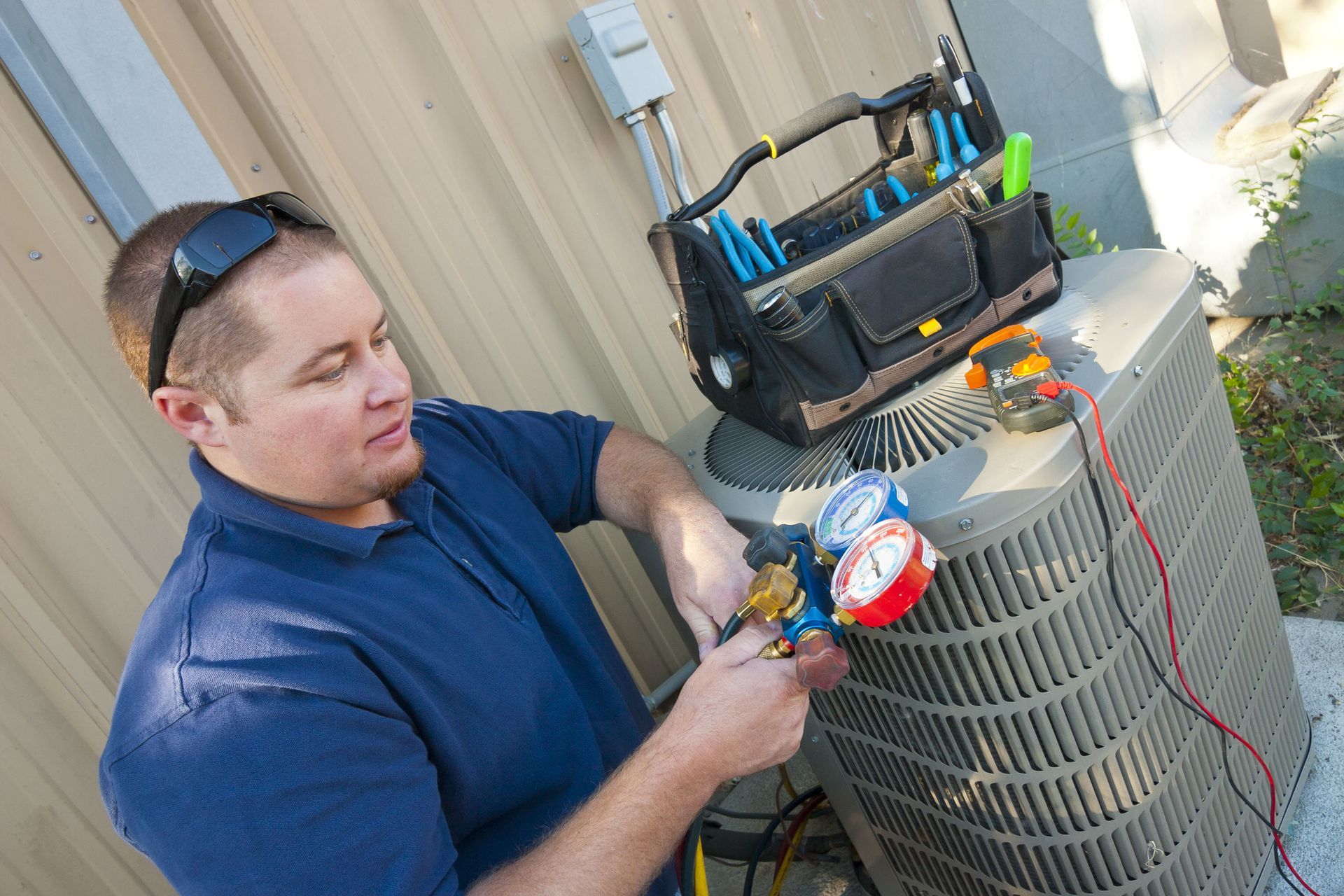
Your HVAC system is a silent workhorse that ensures your home remains a haven of comfort throughout the year. However, like any mechanical system, occasional hiccups are inevitable. When your HVAC system encounters problems, it can disrupt your daily routine and lead to discomfort. Fear not! In this blog post, we’ll equip you with the knowledge to troubleshoot common HVAC issues and restore your system’s peak performance. From strange noises to uneven cooling, we’ll guide you through potential solutions that can save you time, money, and unnecessary stress.
1. Airflow and Ventilation Problems:
Problem: Uneven cooling, hot spots, or poor air circulation in certain areas of your home can indicate airflow and ventilation issues. Solution: Check and replace air filters regularly. Dirty filters restrict airflow and strain the system. Additionally, ensure vents and registers are unobstructed by furniture or curtains. If the problem persists, there may be ductwork leaks or blockages, which require professional attention.
2. Strange Noises and Smells:
Problem: Rattling, grinding, or buzzing noises can be alarming, as can strange odors emanating from your HVAC system. Solution: Loud noises may indicate loose components or debris in the system. Turn off the system and inspect the unit for visible issues. As for smells, musty or burning odors may signify mold growth or electrical problems. In such cases, it’s best to contact a professional HVAC technician for a thorough inspection and necessary repairs.
3. HVAC Leaks and Refrigerant Issues:
Problem: Puddles of water near the indoor unit or signs of refrigerant leaks can affect your HVAC system’s performance and safety. Solution: Water leaks are often caused by clogged condensate drains or damaged drain pans. Clear any clogs and ensure the pan is in good condition. Refrigerant leaks can be hazardous and require immediate professional attention. Contact a licensed HVAC technician to assess the situation and address the issue safely.
4. Thermostat Troubles:
Problem: Inaccurate temperature readings, unresponsive controls, or incorrect calibration can lead to discomfort and energy wastage. Solution: Check the thermostat settings and ensure it’s set to the desired temperature and mode (heating/cooling). Replace the batteries if needed. If the thermostat appears faulty or unresponsive, consider upgrading to a programmable or smart thermostat for precise control and energy savings.
5. Frozen Coils and Condensate Problems:
Problem: Frozen evaporator coils or condensate drainage issues can cause reduced cooling capacity and potential system damage. Solution: Check for dirty air filters or restricted airflow, as these are common causes of frozen coils. If the coils continue to freeze, it may be due to low refrigerant levels or other issues that require professional attention. For condensate problems, ensure the drain line is clear of obstructions and regularly clean the condensate pan.
By troubleshooting common HVAC issues, you can address minor problems promptly and potentially prevent major breakdowns. However, some HVAC issues require the expertise of trained professionals. Our team of skilled technicians is always ready to assist you with any HVAC concerns. Contact us for expert advice, thorough inspections, and precise repairs that will keep your HVAC system running smoothly, providing the comfort and peace of mind you deserve.


By 7115996179
•
July 30, 2026
Why Investing in a High-Efficiency Air Purifier Is One of the Best Upgrades for Your Home's Air Quality The air inside your home can contain dust, pollen, pet dander, mold spores, odors, and other airborne contaminants that impact your comfort and health. While your HVAC system's filter helps capture some particles, a high-efficiency air purifier provides an additional layer of protection by actively removing pollutants from the air you breathe. At JT Heating & Air, we believe that clean indoor air is just as important as comfortable indoor temperatures. A professionally installed air purification system can help create a healthier living environment while supporting your HVAC system's overall performance. What Is a High-Efficiency Air Purifier? A high-efficiency air purifier is designed to capture and remove airborne contaminants before they circulate throughout your home. Many advanced systems utilize HEPA filtration, high-MERV filters, activated carbon technology, and smart monitoring features to improve indoor air quality. Whether you suffer from allergies, have pets, or simply want cleaner air for your family, a high-efficiency air purification system can make a noticeable difference. 1. Superior HEPA Filtration Removes Airborne Particles One of the biggest advantages of high-efficiency air purifiers is their ability to capture extremely small airborne particles. HEPA (High-Efficiency Particulate Air) filters are capable of trapping up to 99.97% of particles as small as 0.3 microns. This includes many common indoor pollutants that can negatively impact air quality and respiratory health. Common Particles Captured by HEPA Filtration: Dust and dust mites Pollen Pet dander Mold spores Smoke particles Other airborne allergens By continuously filtering these contaminants, air purifiers help create a cleaner, healthier indoor environment. 2. High MERV Ratings Provide Enhanced Protection Many high-performance air purification systems feature filters with MERV (Minimum Efficiency Reporting Value) ratings between 13 and 16. Higher MERV ratings indicate a filter's ability to capture smaller airborne particles that standard HVAC filters may miss. This added layer of filtration helps improve overall indoor air quality and reduce circulating contaminants. Benefits of High-MERV Filtration: Improved particle capture Better air circulation quality Enhanced HVAC system protection Reduced airborne debris throughout the home 3. Significant Reduction of Allergens For homeowners who experience seasonal allergies, asthma, or other respiratory sensitivities, indoor air quality can have a major impact on daily comfort. High-efficiency air purifiers effectively reduce common allergens, including: Pollen Pet dander Dust mites Mold spores Airborne irritants Reducing these allergens can help create a more comfortable living environment and may minimize irritation caused by poor indoor air quality. 4. Elimination of Unpleasant Odors Many advanced air purification systems include activated carbon filters that absorb odor-causing particles throughout your home. These filters can help remove odors from: Pets Cooking Tobacco smoke Household chemicals Everyday household activities Instead of masking odors with sprays or fragrances, air purifiers help eliminate them at the source. 5. Quiet Operation for Everyday Comfort Modern air purification systems are designed to operate efficiently without creating excessive noise. Many homeowners are surprised by how quietly today's high-efficiency air purifiers perform, making them ideal for: Bedrooms Living rooms Home offices Nurseries Quiet operation allows you to enjoy cleaner air without disrupting your daily routine. 6. Energy-Efficient Performance Improving indoor air quality doesn't have to increase your utility bills. Many high-efficiency air purifiers are ENERGY STAR® certified, meaning they deliver exceptional filtration while using less energy than standard models. Benefits include: Lower energy consumption Reduced operating costs Environmentally friendly performance Continuous air quality improvement 7. Smart Technology Enhances Convenience Today's advanced air purification systems often include innovative smart features that make maintaining healthy indoor air easier than ever. Depending on the model, features may include: Real-time air quality monitoring Smartphone app controls Automated scheduling Filter replacement reminders Automatic fan speed adjustments These technologies help ensure optimal performance while giving homeowners greater control over their indoor air quality. 8. Easy Maintenance Protects Performance Like any HVAC accessory, air purifiers require routine maintenance to operate at peak efficiency. Fortunately, many modern systems include filter-monitoring technology that alerts homeowners when it's time for replacement. Regular maintenance helps ensure: Maximum filtration efficiency Consistent airflow Optimal air quality Long-term reliability A professional HVAC technician can also inspect and maintain your system as part of your regular service plan. 9. Ideal for Homes, Offices, and Commercial Spaces High-efficiency air purifiers are incredibly versatile and can improve air quality in virtually any indoor environment. They are commonly installed in: Residential homes Apartments Offices Medical facilities Retail locations Educational buildings No matter the setting, cleaner indoor air contributes to improved comfort and a healthier environment. Why Indoor Air Quality Matters Most people spend the majority of their time indoors. Because of this, maintaining clean air inside your home is essential for overall comfort and well-being. Poor indoor air quality can contribute to: Allergy symptoms Respiratory irritation Unpleasant odors Dust accumulation Reduced comfort levels Investing in a high-efficiency air purification system helps create a cleaner space where you and your family can breathe easier every day. Trust JT Heating & Air for Indoor Air Quality Solutions At JT Heating & Air, we understand that comfort goes beyond temperature control. That's why we offer indoor air quality solutions designed to help homeowners enjoy cleaner, healthier air year-round. Whether you're looking to reduce allergens, eliminate odors, improve filtration, or upgrade your home's air quality system, our experienced team can recommend the right solution for your needs. Ready to improve your home's indoor air quality? Contact JT Heating & Air today to learn more about professional air purifier installation and indoor air quality services.