July 29, 2026
Routine heating and cooling maintenance can seem easy to postpone when a system is still running. Many homeowners wait until airflow weakens, energy bills rise, or the equipment stops working before scheduling service. However, heating and cooling systems operate for hundreds of hours each year, and even small issues can gradually affect comfort, efficiency, and reliability. Dust buildup, loose electrical connections, clogged drains, worn parts, and low refrigerant levels may not cause an immediate failure, but they can place unnecessary strain on the system over time.
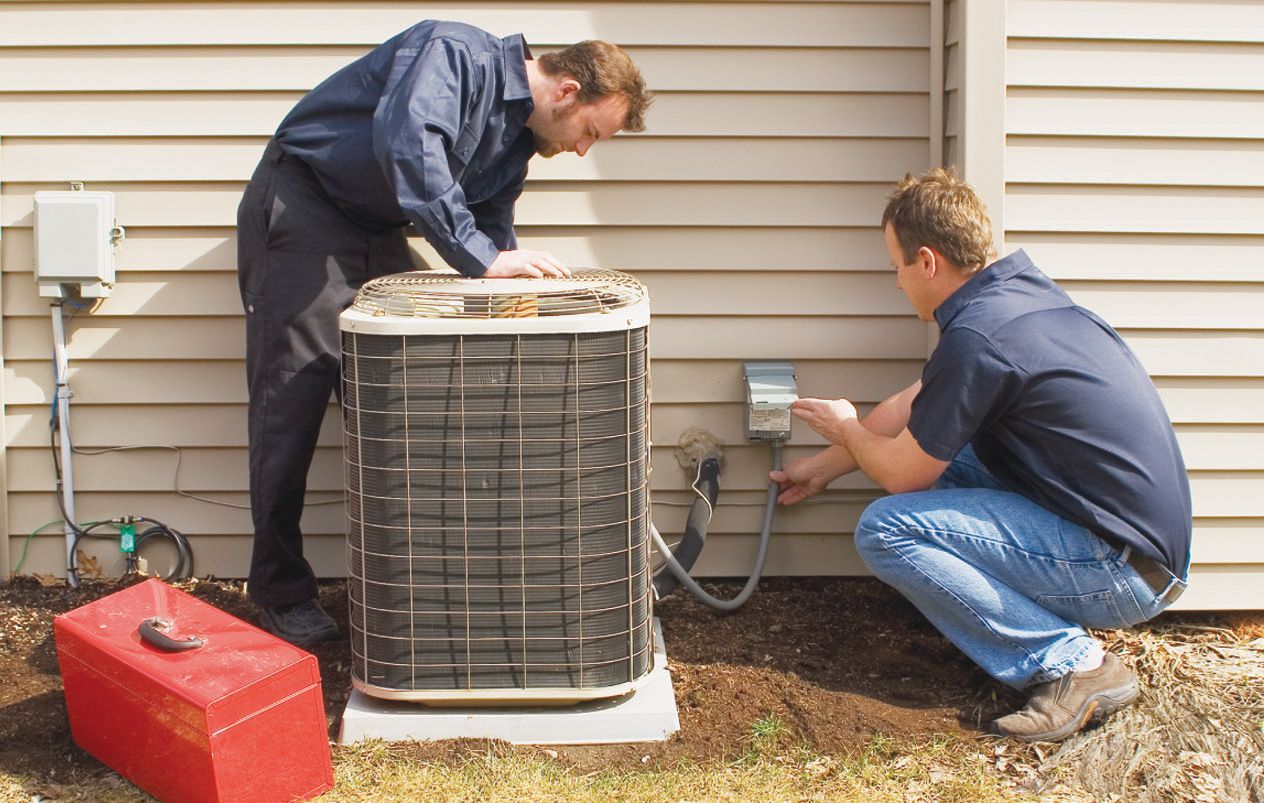
Working with a professional HVAC contractor gives homeowners a structured way to care for their equipment before minor concerns become expensive problems. Regular service can help support consistent temperatures, control energy use, and provide confidence that the equipment is prepared for seasonal demand.
Improving Overall Energy Efficiency
A heating and cooling system must work harder when dirt, restricted airflow, or worn components interfere with normal operation. A dirty air filter can reduce airflow, while dust on coils can make it more difficult for the system to transfer heat. Maintenance helps remove these obstacles so the equipment can operate closer to its intended performance level.
According to the U.S. Energy Information Administration, the average U.S. household devotes 19% of its electricity use to air conditioning. Because cooling represents a meaningful share of household energy use, even small efficiency losses can affect monthly utility costs. An HVAC contractor can check airflow, clean coils, inspect electrical components, and confirm that the thermostat is responding correctly. These steps can help reduce avoidable energy waste without sacrificing indoor comfort.
Reducing Unexpected System Breakdowns
Most heating and cooling failures do not happen without warning. A motor may begin drawing excessive current, a capacitor may weaken, a belt may crack, or a drain line may slowly become blocked. Without an inspection, homeowners may not know that a component is close to failing until the equipment shuts down during extremely hot or cold weather.
Preventive maintenance gives a technician an opportunity to find damaged or deteriorating parts early. Addressing a loose wire, worn bearing, or drainage problem during a scheduled visit is often less disruptive than arranging an emergency repair. A professional HVAC contractor can also explain which issues need immediate attention and which ones should simply be monitored, helping homeowners make informed decisions instead of reacting under pressure.
Extending Equipment Service Life
Heating and cooling equipment experiences wear every time it starts, stops, heats, or cools a home. When airflow is restricted, or components are not functioning properly, the system may run longer than necessary and place added stress on motors, compressors, and other important parts.
Regular maintenance supports smoother operation by keeping components clean, properly adjusted, and working together as intended. Lubrication, electrical testing, airflow checks, and careful cleaning can reduce unnecessary stress on the system. Although no maintenance plan can make equipment last forever, consistent service may help homeowners get more value from their investment and delay replacement by preventing avoidable damage.
Maintaining More Consistent Indoor Comfort
A system can continue to run while still struggling to maintain even temperatures. Homeowners may notice hot and cold rooms, weak airflow, excessive humidity, or frequent thermostat adjustments. These comfort problems can result from dirty filters, blocked vents, duct concerns, thermostat issues, or declining system performance.
An HVAC contractor can measure temperature changes, inspect airflow, test controls, and look for conditions that interfere with proper circulation. When the system distributes conditioned air more evenly, rooms may feel more comfortable without constant adjustments. Maintenance can also help the equipment manage humidity more effectively, which is especially important during warm, damp weather when excessive indoor moisture can make the home feel warmer than the thermostat indicates.
Supporting Healthier Indoor Air Quality
Heating and cooling systems move air throughout the home, which means dust, pet hair, pollen, and other particles can collect in filters and internal components. When filters are neglected, or moisture builds up around coils and drain pans, indoor air may feel stale or uncomfortable. Although routine maintenance is not a complete solution for every indoor air quality concern, it can reduce common sources of buildup within the system.
During service, a technician can replace or recommend the correct filter, inspect areas where moisture may collect, and clean accessible components that influence air movement. Homeowners can also ask about filtration, humidity control, or ventilation options that may suit their household. A professional technician can provide recommendations based on the system and the home rather than promoting a one-size-fits-all solution.
Protecting Manufacturer Warranty Coverage
Many heating and cooling systems include manufacturer warranties that cover specific parts for a certain period. However, warranty terms may require evidence that the equipment received appropriate maintenance. If a major component fails, incomplete service records could make the claim process more difficult.
Professional service creates a clear maintenance history that shows when the system was inspected and what work was performed. These records can be useful during warranty claims, home sales, and future repair decisions. A qualified technician can also identify whether replacement parts and procedures meet manufacturer requirements, reducing the risk of work that could affect coverage or equipment performance.
Identifying Safety Concerns Early
Heating systems and electrical components can create safety concerns when they are damaged or poorly maintained. Loose wiring, overheating connections, cracked heat exchangers, gas leaks, and blocked exhaust pathways require prompt attention.
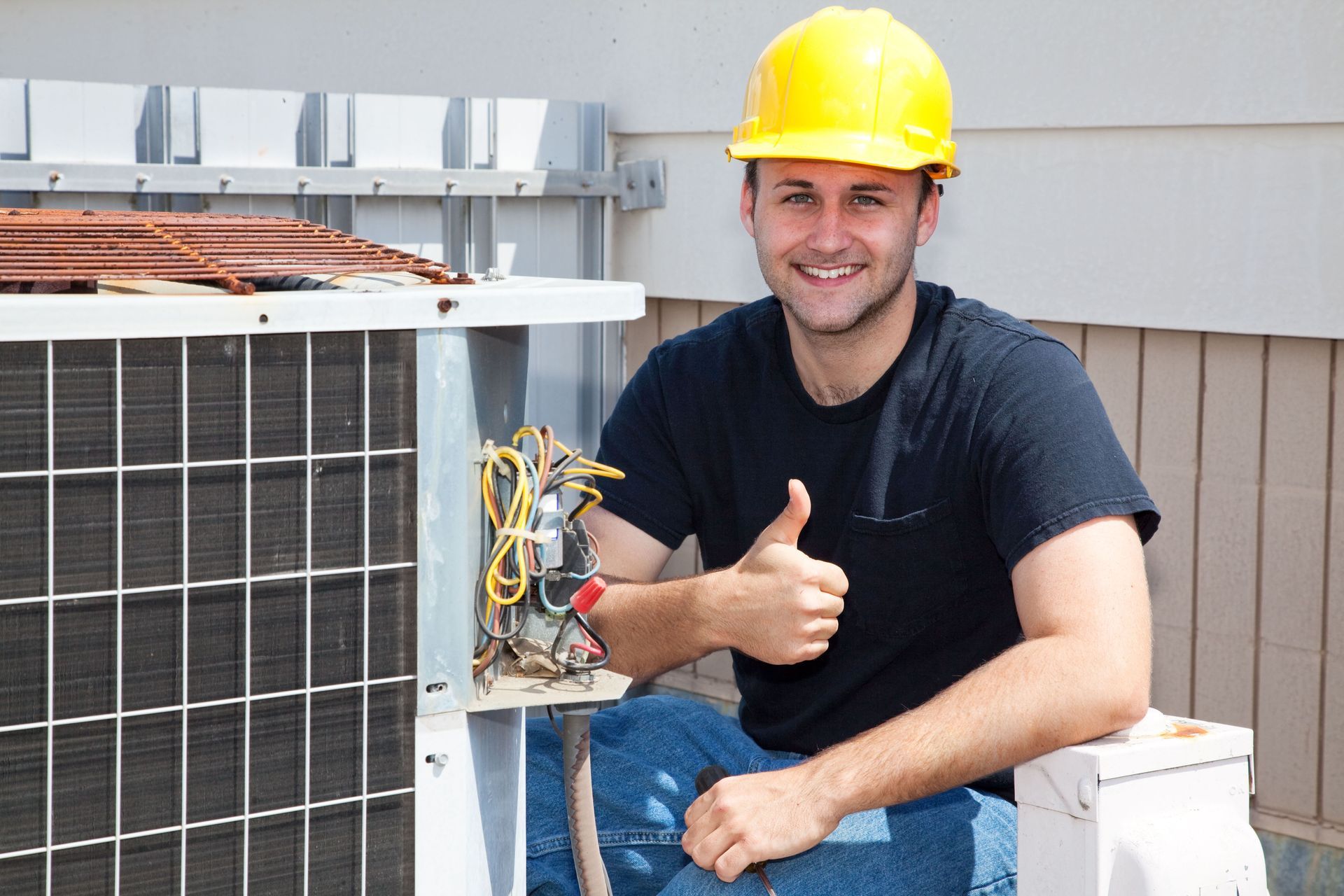
An HVAC contractor can examine electrical connections, safety controls, burners, venting, and other components based on the type of system in the home. If a serious concern is found, the technician can explain the risk and recommend the appropriate next step. Maintenance does not replace smoke alarms or carbon monoxide detectors, but it adds another layer of protection by checking equipment that operates regularly inside the home.
Planning Repairs and Replacements Effectively
Unexpected equipment failure can force homeowners to make quick decisions about repairs or replacement. When a system has received regular maintenance, the homeowner and technician usually have a better understanding of its condition, repair history, and likely remaining service life.
A qualified technician can discuss developing concerns, estimate whether a repair is likely to provide lasting value, and explain when replacement planning may be reasonable. Homeowners can then compare options, review financing, and schedule installation at a more convenient time. This approach allows decisions to be based on system condition and household needs rather than the urgency of a complete breakdown.
Preparing for Seasonal System Demand
Heating and cooling systems face their heaviest workloads during the hottest and coldest parts of the year. Scheduling maintenance before peak season gives technicians time to test operation and address concerns before the equipment must run for long periods. Spring service can prepare the air conditioner for summer, while fall maintenance can help confirm that the heating system is ready for colder weather.
Seasonal preparation may include checking refrigerant performance, cleaning coils, testing heating elements or burners, inspecting drainage, confirming thermostat operation, and reviewing airflow. An HVAC contractor can also point out practical steps homeowners can take between visits, such as changing filters and keeping outdoor equipment clear. These small habits support professional maintenance and help the system remain dependable throughout changing weather.
Professional maintenance is an important part of protecting comfort, controlling energy use, and reducing the risk of sudden heating and cooling problems. Regular inspections can improve efficiency, reveal worn components, support healthier airflow, preserve service records, and help homeowners plan for future repairs or replacement. Instead of waiting for a complete failure, schedule routine care with a qualified HVAC contractor who can evaluate the system and recommend practical next steps. To keep your equipment prepared for every season, contact JT Heating & Air today.